
If you’re caring for a loved one with MS in South Florida, you’ve got real options. In-home care keeps routines intact, adult day centers offer structured programming and social engagement, and residential facilities provide around-the-clock specialized support. Financial assistance through the MS Foundation, Medicaid, and local sliding-scale programs can help offset costs. You shouldn’t have to navigate this alone, and the right resources are closer than you think.
Why MS Caregivers in South Florida Hit a Breaking Point
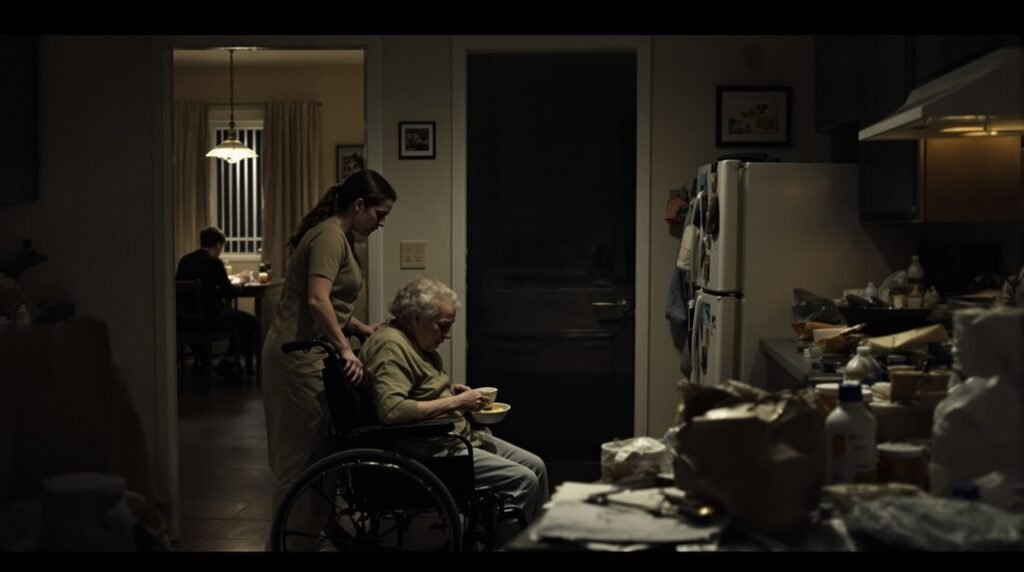
Caring for someone with MS is relentless work, and it’s no surprise that 23% of caregivers report their own health declining as a direct result of the demands placed on them.
As MS progresses, daily activities become increasingly complex, intensifying caregiver stress until burnout feels inevitable. South Florida caregivers face these same pressures—often neglecting self-care while managing everything alone, which erodes their emotional well-being and ultimately diminishes the quality of care they provide.
You’re not meant to carry this without support. Respite care services exist specifically to give you breathing room, allowing respite caregivers to step in while you recover.
Accessing these support services isn’t a failure—it’s a clinical necessity that protects both your health and well-being and your loved one’s quality of life.
MS Respite Care Options: In-Home, Day Centers, and Residential Facilities
When you’re ready to explore respite care, three main options exist to fit different needs, schedules, and levels of MS progression: in-home care, adult day centers, and residential facilities.
In-Home Respite Care brings professional caregivers directly to your loved one, providing mobility support, medication management, and tailored care plans without disrupting their routine.
Adult Day Centers offer structured weekday programs with meals, social engagement, and supervision, giving you temporary relief during daytime hours.
For longer caregiver breaks, Residential Facilities provide 24/7 specialized medical care in a supportive community setting.
Each option addresses specific multiple sclerosis (MS) needs while honoring your caregiving responsibilities.
Financial assistance through Medicaid or the Multiple Sclerosis Foundation can help make these services accessible, so cost doesn’t prevent you from getting the support you deserve.
Financial Help for MS Respite Care in Broward and Palm Beach County
Financial concerns shouldn’t stop you from accessing the respite care your family needs. Several financial assistance options exist specifically for MS caregiving in Broward County and Palm Beach County.
The Multiple Sclerosis Foundation offers grants covering home modifications and medical equipment, while the National Multiple Sclerosis Society provides assistance for assistive devices. Both organizations deliver valuable resources and support to help you navigate available programs.
Local organizations in both counties often provide respite care on sliding scale fees based on your income, making services more accessible.
Additionally, Medicaid and Medicare may cover certain respite care services under qualifying conditions.
I encourage you to contact these organizations directly to determine your eligibility and explore every available option. Financial barriers shouldn’t prevent you from getting the support you deserve.
How to Access MS Respite Services in Broward and Palm Beach County
Now that you’ve identified potential funding sources, the next step is knowing how to actually access respite care services in Broward and Palm Beach County.
Start by contacting the Multiple Sclerosis Foundation, which connects caregivers to in-home care, adult day care, and short-term residential health services.
The Multiple Sclerosis Foundation connects caregivers to in-home care, adult day care, and short-term residential health services.
The National Multiple Sclerosis Society‘s helpline can also help you navigate customizable care options tailored to your loved one’s needs.
Local providers like Focus Family Care offer flexible plans covering companionship, personal care, and skilled nursing.
When exploring options, ask directly about financial assistance, including Medicaid or veteran benefits.
Whether you’re in Broward County or Palm Beach County, these organizations understand what Multiple Sclerosis families face and can guide you toward the right respite care solution efficiently.
What to Look for in an MS Respite Care Provider
Choosing the right MS respite care provider can feel overwhelming, but knowing what to prioritize makes the process more manageable. Start by confirming the provider has experience specifically with multiple sclerosis, since the condition’s complexities require specialized knowledge.
Look for personalized care plans that address both medical needs and emotional support for everyone involved. Your caregiver support matters just as much as the person receiving care.
Ensure caregivers are trained in managing MS symptoms, including medications and daily living activities. Rigorous screening processes and ongoing training signal high-quality care you can trust.
Finally, flexible respite care options—whether in-home services, adult day programs, or short-term residential stays—allow you to find arrangements that genuinely fit your schedule and your loved one’s evolving needs.
Frequently Asked Questions
What Is Respite Care for People With MS?
Respite care for people with MS gives you, as a primary caregiver, a temporary break while trained professionals step in to manage care duties.
It includes in-home assistance with daily living, companionship, and skilled medical support tailored to MS needs.
You can arrange services for a few hours, overnight, or longer stays.
It’s an essential resource that reduces your burnout while ensuring your loved one receives specialized, compassionate care.
How Many Days Will Medicare Pay for Respite Care?
Medicare will pay for up to 5 consecutive days of respite care per benefit period.
Imagine you’re caring for your loved one with MS around the clock — those five days can be genuinely life-changing.
However, this coverage requires your family member to be enrolled in Medicare Part A and receiving hospice care from a certified provider.
I’d encourage you to verify specific costs with your plan beforehand, as Medicare may not cover everything.
How Much Do You Get Paid as a Caregiver for a Family Member in Florida?
As a family caregiver in Florida, you can typically earn $10 to $15 per hour, depending on your experience and the care level required.
You may receive compensation through Florida’s Medicaid MMA program or the Cash and Counseling program, which lets you manage care-related funds directly.
I’d strongly encourage you to document every hour and task carefully — it’s essential for maximizing your benefits and ensuring you’re fairly compensated for your dedication.
What Is the Respite Program in Florida?
The Respite Program in Florida provides temporary relief for family caregivers like you, so you can take a well-deserved break while your loved one receives quality care.
It funds in-home care, adult day care, and short-term residential stays. If you’re caring for someone with Multiple Sclerosis, you may qualify based on demonstrated need.
It’s designed to reduce your stress, prevent burnout, and improve everyone’s overall well-being through financial assistance for professional care services.