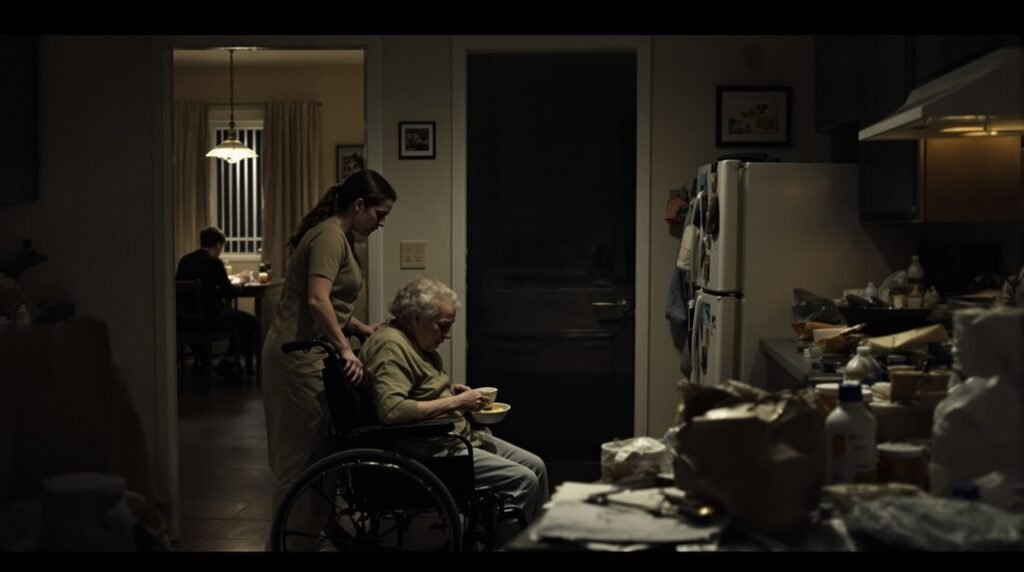

When a spouse becomes a caregiver, your marriage doesn’t disappear — but it does shift in ways that can feel overwhelming. The relationship dynamic changes from partnership to illness management, and that’s genuinely hard for both of you. Emotional exhaustion, isolation, and silent resentment can quietly erode your connection. But open communication, shared responsibilities, and intentional moments of closeness can protect what you’ve built together. There’s a lot more to unpack about keeping your marriage strong through this.
How Caregiving Changes the Spousal Relationship
When one spouse becomes a caregiver, the relationship’s foundation shifts in ways that can feel both gradual and jarring. What once centered on mutual partnership now revolves around managing chronic illness, and that shift quietly erodes emotional connections you’ve spent years building.
As a caregiving spouse, you’re likely carrying enormous physical and emotional weight. Research confirms that depression rates rise considerably among caregivers, and communication often breaks down under that pressure.
You may struggle to express your own needs while feeling guilty for even having them.
Here’s what I want you to understand: these changes don’t mean your marriage is failing. They mean it’s being tested.
Recognizing how caregiving reshapes your relationship is the first, most courageous step toward protecting what matters most.
The Emotional Toll Caregiving Takes on Both Partners
Caregiving doesn’t just exhaust your body — it quietly hollows out the emotional core of your marriage, leaving both you and your spouse carrying pain that often goes unspoken.
The emotional toll on spousal caregivers is real: depression increases, isolation deepens, and the romantic bond you once cherished gets buried beneath medical routines.
Depression creeps in. Isolation grows. And somewhere beneath the medical routines, your marriage quietly disappears.
Your ill spouse grieves too, mourning their independence and fearing they’ve become your burden.
Resentment can quietly build on both sides, fueling guilt and nostalgia for who you used to be together.
Nearly 55% of older spousal caregivers navigate this alone, without family support or outside help.
The antidote isn’t perfection — it’s honest conversation.
Naming your feelings before they harden into distance is one of the most loving things you can do.
Keep Communication Open Before Resentment Builds
Silence is where resentment gets its foothold. When you’re carrying the weight of caregiving without voicing your needs, frustration quietly accumulates. Your spouse can’t support what they don’t understand, and you can’t receive help you haven’t asked for.
Make communication a regular practice, not a crisis response. Schedule honest check-ins where both of you can openly discuss caregiving roles, personal limits, and emotional strain. These conversations aren’t complaints — they’re investments in your marriage.
When you share your struggles transparently, something shifts. Your spouse gains empathy, you gain relief, and resentment loses its grip. Naming what you’re feeling before it hardens into bitterness protects both your relationship and your calling as a caregiver.
Communication isn’t weakness — it’s the bridge that keeps you connected through the hardest seasons.
How to Redistribute Responsibilities Without Losing Your Partnership
Redistributing responsibilities doesn’t have to mean dismantling the partnership you’ve built — it can actually strengthen it. Start with joint decision-making — sit down together and honestly assess what each of you can realistically handle.
Renegotiating roles isn’t failure; it’s wisdom.
Break caregiving tasks into manageable pieces. Grocery runs, medication tracking, medical appointments — these don’t all have to fall on one person. A team approach protects both your health and your marriage.
Set clear boundaries so neither of you reaches a breaking point silently.
Revisit your caregiving plan regularly as health circumstances shift, because what works today may not work in three months.
Consider connecting with support groups where couples facing similar challenges share practical strategies. You don’t have to figure this out alone.
How to Support a Caregiving Spouse Day to Day
When your spouse is deep in the caregiving role, small daily acts of support can mean everything. If your partner is the primary caregiver for someone who’s ill, actively listen without judgment and validate what they’re feeling. That alone combats the isolation so many caregivers silently carry.
Anticipate needs rather than waiting to be asked. Help with daily tasks, establish shared routines, and communicate openly about responsibilities so you’re functioning as a team rather than operating separately.
Encourage your spouse to accept help from outside sources, whether that’s in-home assistance or a support group. Caregiver burnout is real, and protecting your marriage means protecting your caregiver.
These consistent, intentional daily choices preserve both your spouse’s well-being and your emotional connection.
Why Caregiving Spouses Cannot Afford to Go It Alone
Caregiving is one of the most isolating experiences a spouse can face, and the weight of going it alone makes it even heavier. About 55% of older caregiving spouses receive no help from family and friends or paid health care aides, and that isolation breeds depression and burnout.
You simply can’t pour from an empty cup. Accepting help isn’t weakness — it’s wisdom. When you invite loved ones into the caregiving journey, you distribute the burden and protect your own well-being.
Support groups and counseling also give you space to process resentment and fatigue without shame. The goal isn’t just surviving caregiving; it’s preserving your marriage through it.
Surviving caregiving isn’t enough — the real goal is protecting your marriage through every exhausting, resentful, beautiful moment of it.
Building a support network isn’t giving up — it’s giving your relationship a fighting chance.
Simple Ways to Stay Connected When Caregiving Takes Over
Start with honest conversation. Share what you’re feeling, and invite your spouse to do the same.
Adapt activities you both love, even in smaller, simpler ways. A shared laugh can lighten the load more than you’d expect.
Schedule brief, distraction-free time together—even fifteen minutes matters.
And don’t hesitate to seek respite care or counseling. Letting others step in temporarily isn’t abandonment; it’s wisdom.
Connection doesn’t require grand gestures. It requires intention, consistency, and the courage to keep showing up for each other.
When to Bring in Outside Help for Your Marriage
Even the most intentional efforts to stay connected can hit a wall when caregiving’s weight becomes too much to carry alone. When emotional fatigue sets in and one spouse begins feeling isolated or resentful, that’s your signal to seek outside support.
Professional counseling, support groups, or respite care aren’t signs of failure — they’re lifelines. Respite care especially gives you space to recharge, protecting both your health and your marriage.
If caregiving demands have grown beyond what home allows, exploring assisted living options may relieve pressure on you both.
Regularly discussing boundaries with outside helpers also strengthens communication between you and your spouse. Recognizing when you’ve exceeded your personal limits isn’t weakness — it’s wisdom, and acting on it preserves the partnership you’ve both worked hard to protect.
Frequently Asked Questions
What Is Caretaker Syndrome?
Like a slow leak in a tire, Caregiver Syndrome quietly drains your emotional and physical energy when you’re caring for a loved one.
It’s the stress, anxiety, and depression that creeps in as you pour yourself out for someone else.
You might feel isolated, resentful, or like you’ve lost your own identity.
Recognizing these signs early is essential — because you can’t pour from an empty cup.
What Is the 7 7 7 Rule for Marriage?
The 7 7 7 Rule suggests you spend seven minutes daily talking**, seven hours weekly together, and seven days yearly on a getaway**.
It’s a simple but powerful framework for protecting your connection when caregiving threatens to consume everything.
I love this rule because it’s intentional and doable. It reminds you that your marriage needs nurturing too, not just your loved one.
Small, consistent investments keep your partnership strong and your bond secure.
What Are the Four Habits That Destroy Marriages?
“An ounce of prevention is worth a pound of cure.”
I’ve found that four habits destroy marriages: poor communication, neglecting each other’s emotional needs, harboring resentment, and ignoring personal boundaries.
These patterns quietly erode your connection over time.
You can protect your relationship by staying intentional about honest conversations, acknowledging each other’s feelings, addressing frustrations early, and establishing healthy limits that honor both partners’ well-being.
What Is Caregiver Guilt?
Caregiver guilt is that heavy feeling you experience when you believe you’re not doing enough for your spouse, despite giving everything you have.
It’s the self-blame that creeps in when you’re exhausted, when you want a break, or when resentment surfaces.
You’re not failing your partner by feeling this way.
Recognizing these emotions honestly, seeking support through counseling or community groups, and practicing self-compassion can genuinely lighten this emotional burden you’re carrying.