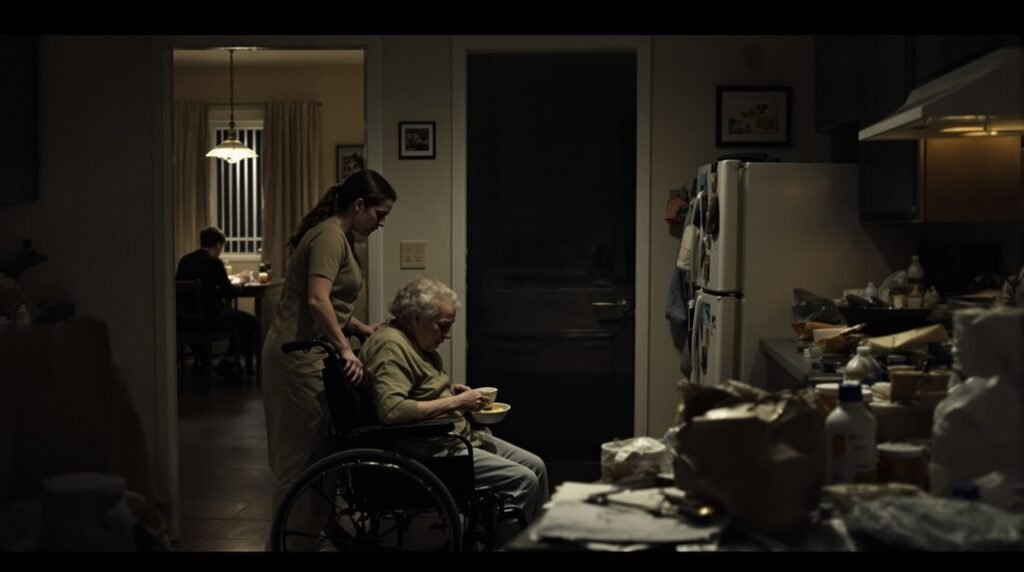

Caregiver burnout in MS is physical, emotional, and mental exhaustion that builds slowly when your needs consistently take a backseat to caregiving. Warning signs include constant fatigue, disrupted sleep, emotional withdrawal, and growing resentment — symptoms over 60% of caregivers experience. You can prevent and recover from burnout by prioritizing self-care, building a support network, and using respite care. There’s a lot more to understand about why burnout escalates and what you can do about it.
What Is Caregiver Burnout in MS?
Caring for someone with multiple sclerosis (MS) is deeply rewarding, but it can also push you to your breaking point — and that’s what caregiver burnout is.
It’s a state of physical, emotional, and mental exhaustion that develops when your personal needs consistently take a backseat to caregiving demands. Unlike ordinary tiredness, caregiver burnout compounds over time, quietly eroding your quality of life before you recognize the signs of burnout.
Caregiver burnout doesn’t announce itself — it accumulates silently, stealing your well-being long before you realize what’s happening.
What makes it particularly challenging with multiple sclerosis is the chronic, unpredictable nature of the disease.
Emotional exhaustion builds as you adapt to shifting responsibilities, often without a reliable support system in place.
Understanding what burnout actually is — and why it happens — is the first step toward finding strategies that genuinely help caregivers reclaim their well-being.
Why MS Caregiving Creates a Unique Burnout Risk
Unlike many caregiving roles, supporting someone with MS means adapting to a condition that rarely stays the same. Symptoms shift unpredictably, making it nearly impossible to settle into a routine. That chronic stress accumulates quietly, and before you realize it, burnout has taken hold.
Multiple sclerosis affects roughly 1 in 4 people to the point where they need help with daily tasks. That responsibility falls heavily on spouses and partners, intensifying the emotional toll over time. Feelings of resentment, exhaustion, and withdrawal aren’t character flaws — they’re warning signs.
What makes MS caregiving especially demanding is the relentlessness of it. Without intentional self-care, a strong support network, and access to respite care, the caregiver’s well-being quietly erodes, ultimately affecting the quality of support they can provide.
Early Warning Signs of MS Caregiver Burnout
Burnout rarely announces itself — it tends to creep in gradually, often surfacing around the 16–18 month mark of caregiving. Recognizing signs early can make all the difference.
Common early warning signs include constant fatigue, disrupted sleep, appetite changes, and withdrawing from friends and family. You might notice emotional exhaustion setting in — feeling overwhelmed by tasks that once felt manageable.
Fatigue, sleepless nights, and withdrawal from loved ones — emotional exhaustion often arrives quietly before it overwhelms completely.
Harsh communication and growing resentment are also signals worth taking seriously, as they can escalate into anxiety and depression if left unaddressed.
These signs affect over 60% of caregivers, so you’re not alone. Caregiver burnout doesn’t mean you’ve failed — it means you need support.
Prioritizing self-care isn’t selfish; it’s essential. If these signs resonate, please seek help before exhaustion compromises both your well-being and your caregiving.
Physical and Emotional Symptoms That Signal Burnout
When burnout takes hold, it rarely stays in one lane — it hits your body and your emotions at the same time.
Physical exhaustion shows up as constant fatigue, disrupted sleep, and appetite changes that quietly erode your ability to provide care and support.
Emotionally, you might notice depression or anxiety creeping in, feelings of hopelessness, or withdrawing from people you love.
Mental exhaustion can also trigger irritability and resentment toward the person you’re caring for — responses that feel alarming but are recognized signs of burnout, not character flaws.
Over 60% of caregivers experience these symptoms, so you’re not alone.
Some turn to alcohol or medications just to cope with the stress.
Recognizing these emotional symptoms early is the first step toward getting the help you deserve.
What Causes MS Caregiver Burnout to Escalate Over Time?
Recognizing those symptoms is only part of the picture — understanding what fuels them over time matters just as much.
Caregiver burnout rarely happens overnight. Research suggests symptoms often intensify around 16–18 months into caregiving, when the emotional demands have compounded and motivation begins shifting from purpose to obligation.
Burnout builds quietly — often peaking around 16–18 months in, when purpose fades and obligation takes over.
When you neglect your health — skipping appointments, losing sleep, abandoning routines — exhaustion deepens your stress levels, making everything harder. Overwhelming responsibility without a reliable support system accelerates that decline.
Role confusion adds another layer; when you’re unsure where “caregiver” ends and “you” begins, isolation follows.
I’d encourage you to speak openly with your care team before burnout becomes a crisis. Awareness of these escalating patterns is your first line of defense.
Practical Strategies to Prevent and Recover From MS Caregiver Burnout
Though no single approach eliminates caregiver burnout entirely, combining consistent self-care habits with a strong support network gives you the best foundation for both preventing and recovering from it.
Prioritizing regular exercise, nutritious meals, and adequate sleep helps reduce stress and protects your mental health over time.
Building a reliable support system—including family, friends, and community resources—lets you share responsibilities before exhaustion sets in.
Respite care offers structured breaks that genuinely restore your capacity to keep showing up. Staying connected to personal hobbies reinforces your identity beyond caregiving.
Equally important is recognizing early signs of burnout, such as persistent fatigue or disrupted sleep.
Acting on those signals promptly, rather than pushing through, allows self-care strategies and caregiver support services to work most effectively.
How to Talk About Burnout With Your Loved One
Talking openly with your loved one about burnout can feel challenging, but it’s one of the most effective steps you can take to protect both your well-being and your relationship.
When you communicate honestly, use specific examples — like disrupted sleep or constant fatigue — to help your loved one understand how caregiver stress is affecting you. Encourage them to share what they’ve noticed, too, since they may recognize signs of burnout you’ve overlooked.
Set aside dedicated time to discuss feelings and expectations together, creating a collaborative approach to managing stress. Asking for help and expressing vulnerability isn’t weakness — it’s strength.
Normalizing these conversations builds the mutual support both you and your loved one need to navigate caregiving sustainably.
How to Build a Support Network That Actually Helps
Building a real support network means going beyond simply asking a neighbor to help occasionally — it requires intentionally bringing trusted people into your caregiving circle and clearly communicating what you need.
Include family and friends who can share responsibilities, offer emotional support, and keep communication open about both visible and invisible symptoms.
Don’t underestimate community resources. Support groups connect you with caregivers maneuvering similar MS challenges, providing practical solutions and genuine understanding that even close friends may not offer.
As a caregiver, your needs will shift over time, so regularly reassess whether your support network is actually meeting those changing demands.
Expanding it proactively — rather than reactively — helps prevent burnout before it takes hold and keeps both you and your loved one better supported.
VA and MS Resources Every Caregiver Should Know
If you’re caring for a Veteran with MS, the VA Caregiver Support Program offers resources that can meaningfully reduce your load — from structured training and peer support to respite care that gives you real time to recharge.
Burnout doesn’t have to be inevitable when the right support is in place. The VA recognizes that caregiver wellness directly impacts the quality of care Veterans receive.
That’s why they’ve built caregiving resources specifically designed to help you stay healthy, informed, and supported. Visit www.caregiver.va.gov to explore tools tailored for MS caregivers, and connect with your local VA facility for personalized services.
Taking advantage of these resources isn’t a luxury — it’s a necessary part of sustaining your ability to show up fully for the Veteran you love.
Frequently Asked Questions
Can Caregiver Burnout Affect My Ability to Keep My Job?
Yes, caregiver burnout can absolutely threaten your livelihood.
Verily, when you’re emotionally and physically depleted, your concentration, productivity, and reliability at work can suffer greatly. You might notice increased absenteeism, difficulty meeting deadlines, or strained relationships with colleagues.
But here’s the good news—you can protect both roles. Seeking respite care, employee assistance programs, and setting clear boundaries aren’t selfish; they’re essential strategies that help you sustain your caregiving mission without sacrificing your career.
How Does MS Caregiver Burnout Impact Children Living in the Home?
When you’re burned out, your children feel it too. They may become anxious, withdrawn, or act out behaviorally because they’re absorbing your stress.
They might take on inappropriate caregiving responsibilities themselves, sacrificing their childhood.
I want you to know this isn’t failure — it’s a signal that you need support.
Connecting with a family therapist, respite care services, or an MS caregiver support group can help protect your children’s emotional wellbeing alongside your own.
Are There Legal Protections for MS Caregivers Experiencing Workplace Difficulties?
Yes, you do have legal protections available to you.
The Family and Medical Leave Act (FMLA) allows you to take up to 12 weeks of unpaid, job-protected leave annually for caregiving responsibilities.
The Americans with Disabilities Act (ADA) may also require your employer to offer reasonable accommodations.
I’d encourage you to speak with your HR department or an employment attorney who understands caregiver rights—you don’t have to navigate this alone.
Can Burnout Cause Long-Term Health Damage if Left Untreated?
Yes, untreated burnout can absolutely cause lasting physical and emotional harm.
It’s no coincidence that many caregivers who ignore early warning signs later develop chronic conditions like heart disease, anxiety disorders, and weakened immunity.
I’ve seen how prolonged stress rewires your nervous system, making recovery increasingly difficult.
You deserve care too. Prioritizing your own health isn’t selfish—it’s essential for sustaining the compassionate support your loved one depends on you to provide.
How Does Caregiver Burnout Affect the Progression of the Patient’s MS?
When you’re burned out, your ability to provide consistent, quality care declines — and that directly impacts your loved one’s MS management.
Missed medications, skipped therapy appointments, and reduced emotional support can accelerate symptom progression and increase relapse risk.
Stress is also contagious; your loved one senses your exhaustion, which can worsen their own anxiety and fatigue.
Taking care of yourself isn’t selfish — it’s genuinely protecting their health too.